

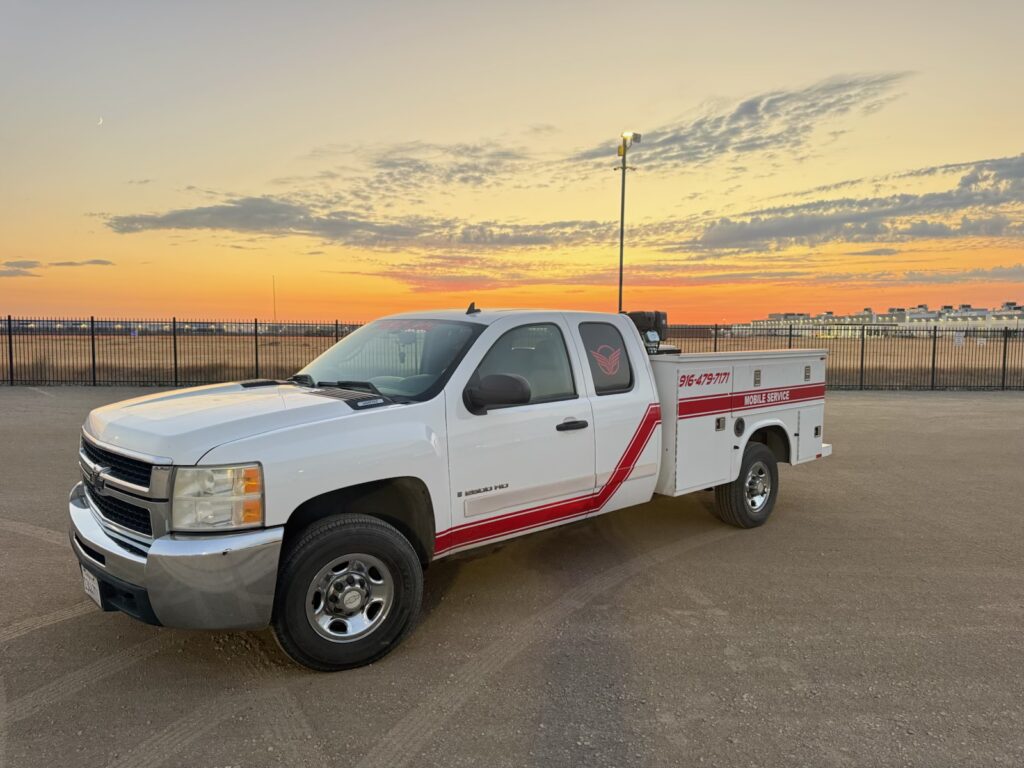
In the fast-paced world of fleet management, a preventive fleet maintenance schedule plays a crucial role in ensuring your vehicles stay safe, efficient, and roadworthy. Regular maintenance not only helps avoid costly repairs but also keeps your fleet compliant with state and federal regulations. Whether you manage a small fleet or oversee dozens of vehicles, understanding how to build and follow a preventive maintenance schedule can save time, money, and headaches.
What is a Preventive Fleet Maintenance Schedule?
A preventive fleet maintenance schedule is a structured plan outlining regular inspections, servicing, and repairs of fleet vehicles before major issues occur. Instead of waiting for vehicles to break down, this proactive approach anticipates potential problems and addresses them early. By doing so, fleets experience fewer breakdowns, improved safety, and longer vehicle lifespans.
Key Components of a Preventive Fleet Maintenance Schedule
To implement an effective schedule, fleet managers should focus on:
- Routine Inspections: Checking oil levels, tire pressure, brakes, lights, and fluid levels.
- Scheduled Servicing: Timing oil changes, filter replacements, and lubrications according to manufacturer recommendations.
- Tire and Brake Maintenance: Regularly inspecting tread depth and brake pad wear.
- Safety Compliance Checks: Making sure all vehicles meet DOT (Department of Transportation) standards.
For a detailed breakdown, visit Wings Fleet’s Preventive Fleet Maintenance Schedule 2025.
Why is Preventive Maintenance Crucial for Fleets?
Maintaining your fleet on a preventive schedule offers several important benefits:
- Minimizes Downtime: Scheduled maintenance reduces unexpected vehicle failures.
- Enhances Safety: Regular checks ensure that vehicles meet safety standards, protecting drivers and cargo.
- Lowers Repair Costs: Early detection of issues helps avoid expensive repairs.
- Improves Fuel Efficiency: Well-maintained engines consume less fuel.
- Extends Vehicle Lifespan: Continual care slows the wear and tear process.
Learn more about how to protect your fleet with Wings Fleet’s Mobile Fleet Repair Services California 2025.
How to Develop a Preventive Fleet Maintenance Schedule
Step 1: Assess Your Fleet Needs
Analyze your fleet size, vehicle types, and operating conditions to tailor maintenance intervals accordingly. Vehicles that operate in harsh environments might need more frequent checks.
Step 2: Use Manufacturer Guidelines and Industry Standards
Adhere to your vehicles’ manufacturer recommendations for service intervals. Additionally, consult resources like the DOT Inspection Checklist 2025 to stay compliant with legal requirements.
Step 3: Schedule Frequent Inspections and Servicing
Create a calendar or digital alert system for:
- Oil and filter changes every 5,000–7,500 miles
- Tire rotation and brake inspections every 10,000 miles
- Comprehensive inspections quarterly or semi-annually
Step 4: Implement a Fleet Preventive Inspection Program
A formalized inspection program can streamline processes and improve accountability. Find out how to optimize inspections with this Fleet Preventive Inspection Program California 2025.
Step 5: Track and Record Maintenance
Implementing a tracking system helps monitor maintenance history, ensuring no service is missed and making audits easier.
Essential Maintenance Areas to Focus On
Fleet Tire and Brake Maintenance
Tires and brakes are critical parts impacting vehicle control and safety. Regularly inspect tire tread depth, check for uneven wear, and monitor brake pad thickness. Proper maintenance in these areas can prevent accidents and enhance vehicle performance.
Explore expert advice at Wings Fleet’s Fleet Tire and Brake Maintenance 2025.
Complying with DOT Regulations
Compliance with Department of Transportation (DOT) rules is non-negotiable for fleets operating in the U.S. consult the Federal Motor Carrier Safety Administration (FMCSA) for regulatory updates, and ensure your maintenance program aligns with DOT standards to avoid penalties and improve safety.
California fleets should also reference the California Department of Transportation (Caltrans) guidelines to stay compliant with local regulations.
Benefits of Partnering with Professional Fleet Services
Enlisting expert mobile fleet repair services offers:
- On-site repairs minimizing vehicle downtime
- Access to certified technicians
- Use of OEM quality parts
Wings Fleet offers comprehensive mobile services — check out their Mobile Fleet Repair Services California 2025 for more.

Alt text: Preventive fleet maintenance schedule ensuring vehicle safety and reliability
Frequently Asked Questions (FAQ)
Q1: How often should I perform preventive maintenance on my fleet vehicles?
Most fleets perform maintenance every 5,000 to 10,000 miles, but it varies based on vehicle type and usage.
Q2: Can preventive maintenance help with DOT inspections?
Yes, regular maintenance ensures your fleet consistently meets safety standards required for DOT inspections.
Q3: What is included in a fleet preventive inspection program?
It typically involves scheduled vehicle inspections covering brakes, tires, lights, fluids, and safety components.
Q4: Are mobile fleet repair services reliable?
Yes, they provide quick, on-site repairs to reduce downtime and keep your fleet operational.
Ready to Keep Your Fleet Running Smoothly?
Don’t wait until breakdowns disrupt your operations. Contact Wings Fleet today to discuss creating a tailored preventive fleet maintenance schedule that fits your needs. Call (916) 479-7171 now or visit https://wingsfleet.com/contact-us/ to get started!